Al Kyte's Life Take-Aways

These "take aways" are drawn from various experiences in my life including those as athlete and coach, teacher, military officer, fishing guide and author, amateur naturalist and native-plant gardener, leader of homeless outreach and family member.


          Al Kyte 

The first day of the class was like so many other college classes with our professor describing his expectations for us.  This professor explained that he did not use midterms, final exams, nor long term-papers to evaluate us.  Instead our entire grade would be based on six short papers, each to be no longer than two double-spaced, type-written pages.  That sounded too good to be true until he explained in more detail what he expected in those papers.  

First, each paper was to be on a topic that we felt strongly about, whether something from the lecture notes or his assigned readings. Also we were to present two divergent viewpoints on the issue involved—our viewpoint and an opposing viewpoint— as fairly as possible. Finally we were to draw forth a perspective that reached beyond those arguments. All of this was to be accomplished within those two double-spaced pages. I realized that every word I selected had a job to do. There would be no space for wasted words, padding or embellished writing.

With each of those papers I completed a first draft and set it aside for a few days. When I look again at what I had written, I was invariably startled by how unfairly I had expressed the opposing viewpoint. I had to research the thinking behind that viewpoint to better represent it. Then I put that second draft aside. When I reread it a few days later, it was still unfairly one-sided. Each of those papers required a number of revisions until both sides were represented fairly. Only then did I begin to see something that might offer a more enlightened perspective.

George Marshall

This reminded me of something George Marshall was reported to have said. General George Marshall had been the Chief of Staff over our military in Europe during the difficult years of World War II, and later served both as Secretary of Defense and Secretary of State. He authored the Marshall Plan, the U. S. program for recovery of war-torn countries in Europe, and ultimately was awarded the Nobel Peace Prize. Characterized as honest and selfless in his service, he was widely considered to be one of the most impressive leaders of his time. He said that the most important thing in working with people was “to listen to the other person’s story, listen to the other person’s full story, listen to the other person’s full story first.” He knew that when we speak, we learn nothing. When we listen, we stand the best chance of fully understanding the issue.

I sometimes wonder if anyone is teaching today’s college students to look at both sides of issues.  So often they seem to be ruled by their emotions, even adopting methods of intimidation and censoring other viewpoints.   A classic example occurred recently when a group of law students from a prestigious university shouted down a speaker with a view they disagreed with and would not let that person speak.  These are students who might one day hope to become judges with the societal role expectation of listening fairly to both sides of issues.  We need to remember that our democracy is not just about our viewpoint on an issue; it is every bit as much about the methods we are willing to tolerate to advance our viewpoint.  Denying a person’s free speech is denying democracy at its core.  If we are really interested in democracy, rather than control, we need to be able to draw the best from both sides.    
     

Barbara and I were already leading a homeless outreach on the streets of Oakland when someone suggested I read the book, Beyond Charity, by John Perkins. This author was a black pastor from Mississippi who preached racial reconciliation. He taught that those involved in street ministry should stay with it long enough to see people lifted back up to the life God intended for them. Such restoration goes beyond charitable giving to helping people lift themselves up. I hadn’t seen much of that. It struck me as so important that I started expanding my volunteering to where I was more likely to see such restoration—in a drug recovery program.

So I began mentoring men who had been addicted to drugs, some of whom had unique stories that required different personal approaches. One such story started when I was assigned a man with an alcohol problem. I was informing him what my role as his spiritual mentor would be when he blurted out, “This won’t work for me. You’re too old.” As I was trying to figure out what to say about that, he added, “And I don’t like this hugging you do with the men in the program.” After asking him a few questions, I learned that his mother had married five times and her first four husbands had been completely irresponsible as fathers. And she was not very dependable either. Apparently the fifth husband tried to be a good father to the children but it was too late. No longer could they trust anyone much older than they were. I wondered if it would even be possible for me to gain this man’s trust.

Yet a year later his life had changed dramatically, and he was graduating from that recovery program. After I spoke that day on his behalf, he gave me the longest hug I have ever had. In his changes, he had not only come to trust an older person but had also become a hugger. It struck me that it’s often the small, consistent steps over time that help set the stage for big things to happen. And hugging a homeless or addicted person was important to me not only in embracing people dealing with shame, but also in representing God in His love for them.

The role of mentoring in restoration reminded me of coaching basketball.  I met men halfway through their lives and if this were a game they were well behind in the score.  When my basketball teams were behind at half time, I would give them a new game plan to try to snatch victory from defeat.  This recovery program was like a year-long, half-time game plan.

Romans 12:2 fit this situation well in its reminder not to be conformed to the ways of the world, but to be transformed to the ways of God—by renewing your mind. These men were all conformed to the self-serving thinking of drug-users, and our job was to help introduce them to a different, more outward way of thinking—God’s game plan. So each week we would do that by looking at various life situations. If, by the end of a year, a man had accepted God’s love and adopted His way of thinking and living, he had a good chance to lift himself up to a more productive life. Some of the men I mentored did just that. I have the utmost respect for anyone who has the determination and consistent focus to change long-established habits.

Mentoring was not something I had planned to do in life.  It was just one of many unexpected steps that seemed to evolve naturally from those that had come before.  Yet this was a step that added an important dimension to my life.

.

I decided to take a break and go fishing for a few moments.  So as my companions continued down the trail, I waded out into the lake up to mid thigh, casting my fly into the deeper water ahead as I moved.  We were on a hundred-mile backpacking trek through the mountainous Selway-Bitterroot Wilderness in north-eastern Idaho, covering about 10 miles a day.  After catching a few trout, I turned back to leave and was startled to see a cow moose that had moved into the water eating in the very place I wanted to go—the shallowest and safest wade back.  I knew how ill-tempered and dangerous a moose could be, so tried wading parallel to the shoreline away from it in the hope of finding another way back.  The farther I waded, however, the deeper the water was.  When it reached my armpits, I turned back toward shore, not as far from that moose as I wanted to be.  I was hoping there were no deep holes ahead and that that large animal would come no closer.  After a few more anxious moments I made it back to shore, starting down the trail at a fast pace to help dry off in the warm sun.

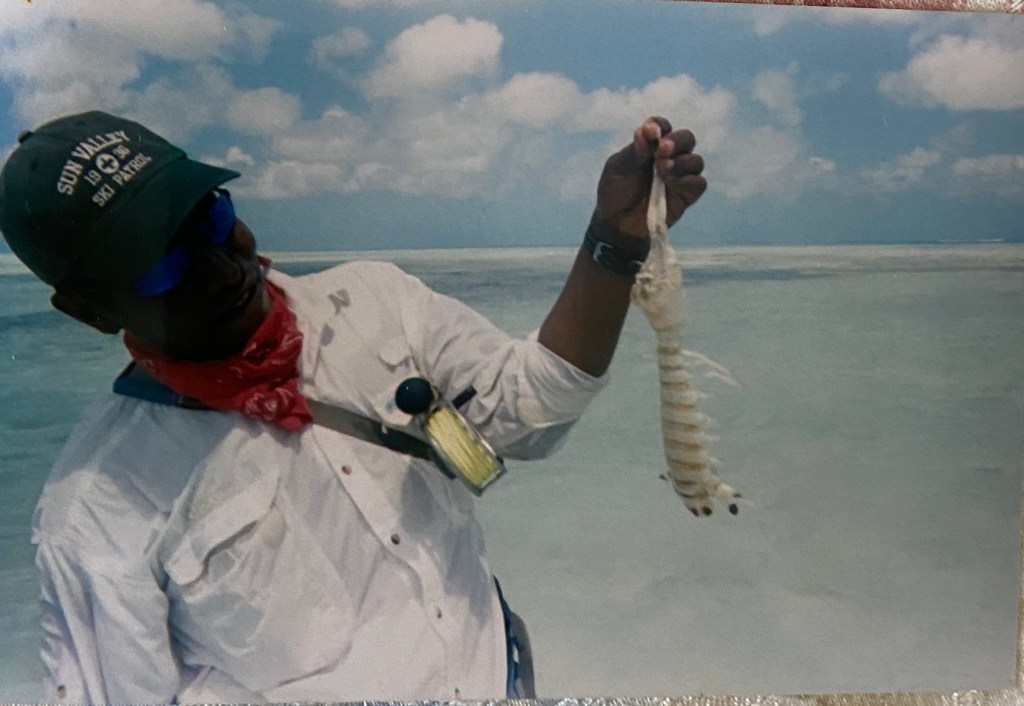
I believe my most unusual 10-mile walk was a meandering wade through channels of water within the coral atoll of Christmas Island.  As we started that wade scanning for bonefish, our guide pointed to an island we could barely see on the horizon and told us that was where we would stop for lunch.  This was going to be a long walk.  The moment that left the deepest impression on me came when our guide tied a small fish to a line and wiggled it enticingly above a hole in the shallow, gravelly bottom.  Almost immediately there was a violent subsurface clash as something shot out of that hole to grab the fish.  Our guide carefully lifted a writhing, foot-long creature out of the water—a mantis shrimp.  Eventually he caught a few more, handling each one with extreme care.  He showed us their razor-sharp claws and told us that these aggressive little animals were known to inflict deep cuts on unwary anglers.  I was thankful not to be wading barefoot.  And those small predators made a delicious appetizer that evening.

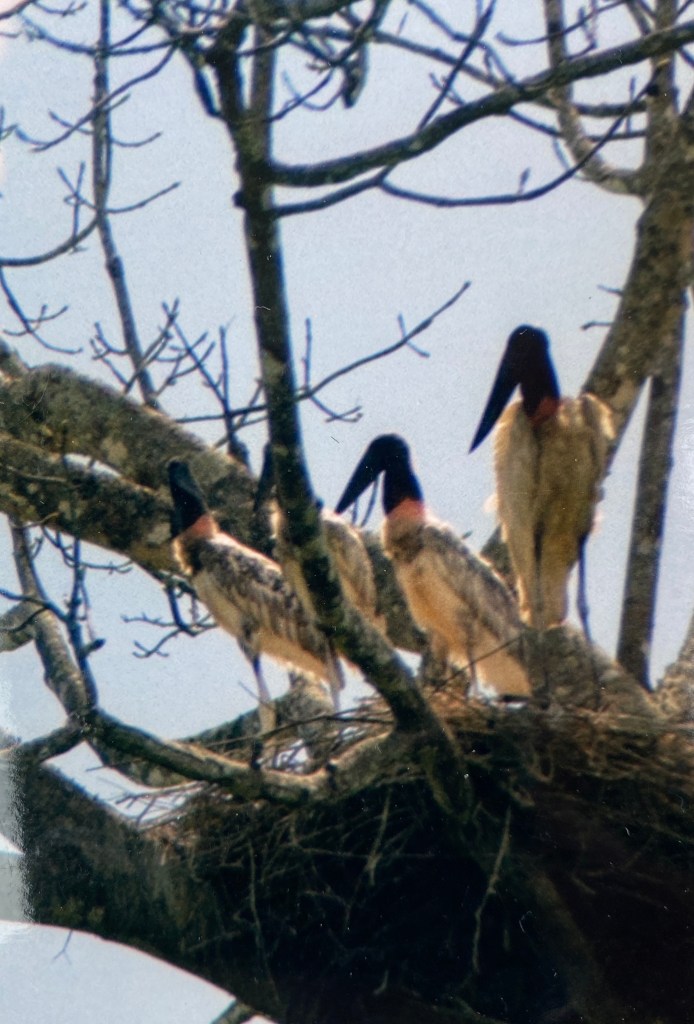
One day in Belize we traveled our 10 miles by boat, seeing howler monkeys, various parrots and even an occasional crocodile along the river.  It was like a Disneyland jungle cruise only real.  While enjoying fishing for snook and 10- to 20-pound tarpon, I spotted a wood stork flying overhead and asked our guide if he had ever seen the even larger, endangered jabiru—at almost five feet tall among the largest birds in the Americas.  He answered by asking, “Would you like to see one now?”  My “yes” came without hesitation.  So a little farther up river we tied our boat to a wharf.  Our guide’s cousin appeared, a slender, dark-skinned man with a big smile and shirt half-open, holding a large machete that we were relieved to find he was using to cut sugar cane.  Without thinking, I told him he looked like Rambo with that knife.  He laughed heartily because he had seen a Rambo movie.  There were no roads into his jungle home, so to do that he had boated some miles down the river and picked up a ride into Belize City.  He seemed to enjoy showing us the tree and the huge nest with an adult and three young jabiru storks.  He was proud to be protecting those magnificent birds.

In previous blogs I spoke of my encounters with bears, sharks, and snakes, but I have also seen lynx in Canada, a wolf in Alaska, a badger up close in Wyoming, flying fish off of Christmas island, a scorpion in my room in Mexico, a feisty martin in the Sierra, and tarantulas closer to home. I’ve seen many unusual birds and fish and barely missed seeing both mountain lion and wolverine. Coming across animals I’ve seldom or never seen has always delighted me.

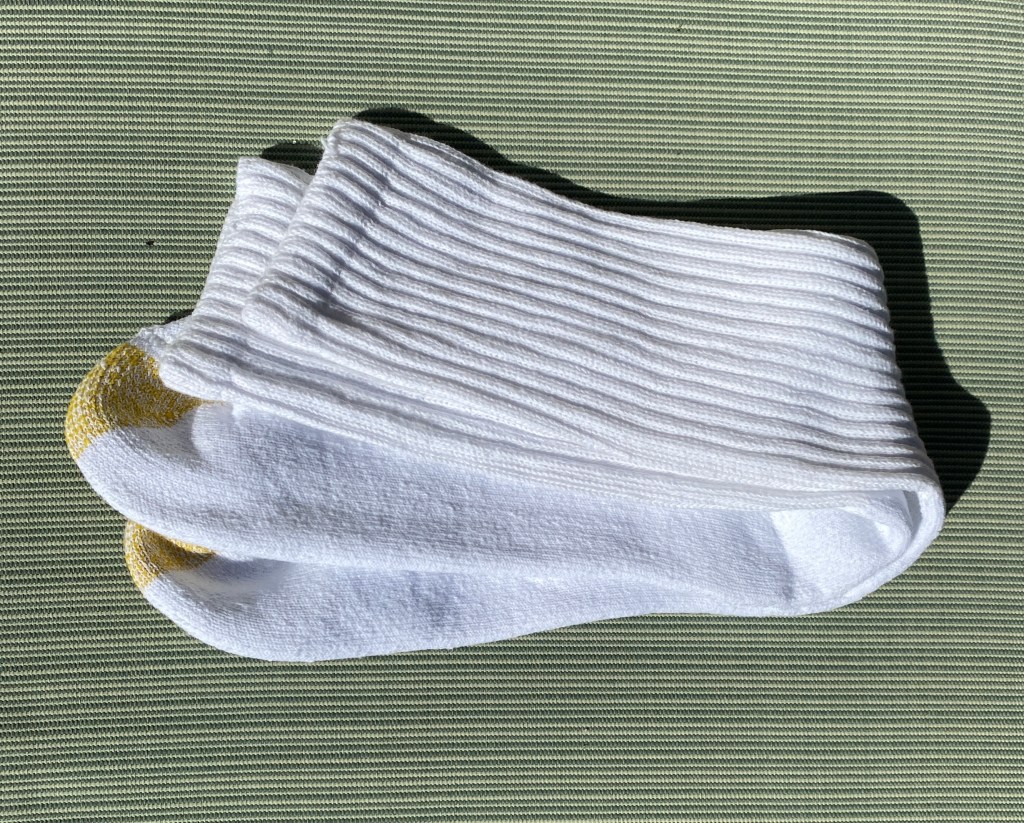
Socks are important to homeless people.  Having to walk to get from one place to another  with few opportunities to shower or wash clothes will wear socks out quickly.  

I found out how important socks can be one day during our outreach on the streets of Oakland.  A woman came up to us and asked if we had any socks.  There was an urgency in her request.  She took the pair we handed her without also taking the lunch or other items being offered.  Clutching those socks in her hand, she took a few steps back to lean against a building and started to cry.  Gradually letting her body slide down that wall, she was wailing by the time she reached a sitting position on the ground.  One of the women in our group went over and sat quietly next to her.  A few minutes later the tearful woman shared that earlier that morning someone had stolen her only pair of socks from the nearby line where she was drying them out.  She said it felt as if her last bit of human dignity had been stripped away.  When she heard we were giving out new socks, she came quickly in the desperate hope we had not run out.  When she had those socks safely in her hand, her feeling of relief was so great she couldn’t hold back the tears.  I can’t recall ever having received a gift that meant as much to me as those socks did to her at that moment.

On a different day at that same location, I brought along a man named Rodney I had been mentoring during his year of recovery from a heroin addiction.  Having recently completed that program, Rodney wanted to be a positive example for people who had known him during the worst of his addiction.  I loved seeing how he was encouraging people and giving them hope.  At one point a friend of his joined us, and we stood talking with him as he waited in a short line to receive what provisions we had.  As he got to the front of the line, he was informed that we had just run out of socks.  He became visibly upset because he had particularly been looking forward to getting socks to replace the rain-soaked ones on his feet.

I called him aside and the three of us moved off a ways.  I said to him, “I am really sorry we ran out of socks, but there is one pair left that is clean and dry and on my feet.  Can I give you my socks?”  He thought about that a moment then replied, “Yes.”  So I took off my shoes and socks, gave him my socks, and put my shoes back on my feet.  After he walked away, Rodney said to me, “I’ve got a ways to go in this.  How did you think to offer him your socks?”  I said, “Rodney, you’re not the only one who has made mistakes.  Several years ago we were loading up to leave after giving out all our provisions, when a woman came up to us pleading for a pair of socks.  I told her I was sorry but we were all out, and only later realized what I could have offered her.  For some time I have been praying that God give me another chance to do that right.  Today He answered my prayers.


The sport I most enjoyed playing was basketball, mostly for its fast pace, teamwork, and frequent opportunity to shoot a ball at a target.  I played this game most days at my elementary school and wanted to play at home as well.  But I had no court.

I found myself looking around our garage and yard for something to use as a hoop and noticed that the protective wire cages around my dad’s rose bushes were shaped much like inverted basketball hoops with wire nets.  So I took one and knocked out a few wires so a large ball could fit through the tapered inner cylinder.  Then I nailed it to the telephone pole in front of our house and shot kick balls at it; I had no basketball.  Typically by my third shot, that hoop would come crashing to the ground and have to be nailed in place again.

My dad was a coach, but seldom bought us athletic equipment until we showed a strong interest in that sport.  Noticing my efforts, he built a backboard above our garage door for my next birthday, attached a regulation hoop to it, and included a basketball.  The court space was limited to about 15 by 15 feet with an additional narrow driveway offering one angle for longer shots.  I practiced shooting and playing pretend games on this “home court” for years.  

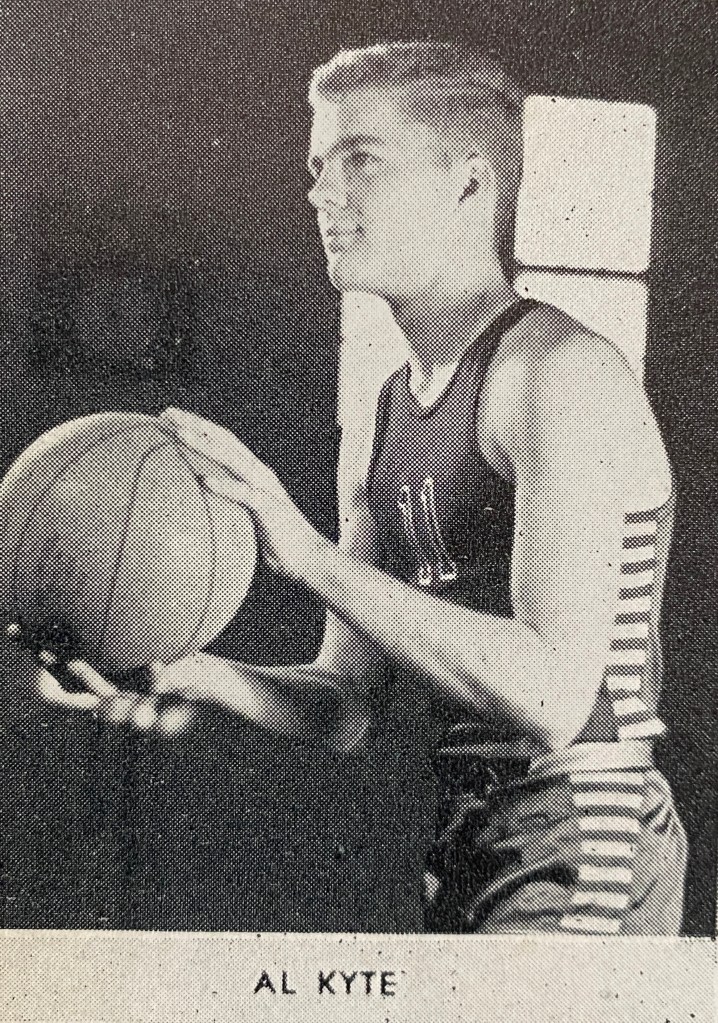
Al as a high school player in 1952

In my early teens, I would often accompany my dad to his second job as an evening recreation director at a high-school gymnasium.  There I would play in pick-up games usually as the only white player.  At first the other boys seldom passed the ball to me, but that changed when they realized I could play and shoot well.  Those games taught me to play at a faster pace as well as to protect the ball more aggressively.  Yet the most important lessons took place afterward in the locker room as we changed back into street clothes.

Those boys hadn’t been around white kids much, and I believe they were watching to see how I reacted to things. I hadn’t been around black kids either, and being quiet by nature, mostly listened as they talked. When they kidded each other it got pretty funny, and they seemed to enjoy it when I laughed with them. I noticed that they all had different personalities much like my own friends at school. I began to realize that skin color has nothing to do with the kind of person someone is. We were developing positive feelings for each other as people as well as basketball players. Those initial feelings of respect and affection carried though into my other interactions in and beyond sports, including many years of mentoring and street ministry.

I went on to make the All-City team in high school, played college ball under the legendary Pete Newell at Cal, and continued playing competitively into my 50s.  I was the first varsity coach at Skyline High School, then for 37 years at the University of California taught elementary through advanced classes to over 5000 students.  When Harmon gym was dismantled and converted into a modern facility, a reporter from the Oakland Tribune wrote that I had taught basketball to more people in that beloved old gymnasium than anyone else.  I was truly blessed to have been able to share my love for this game with so many people.


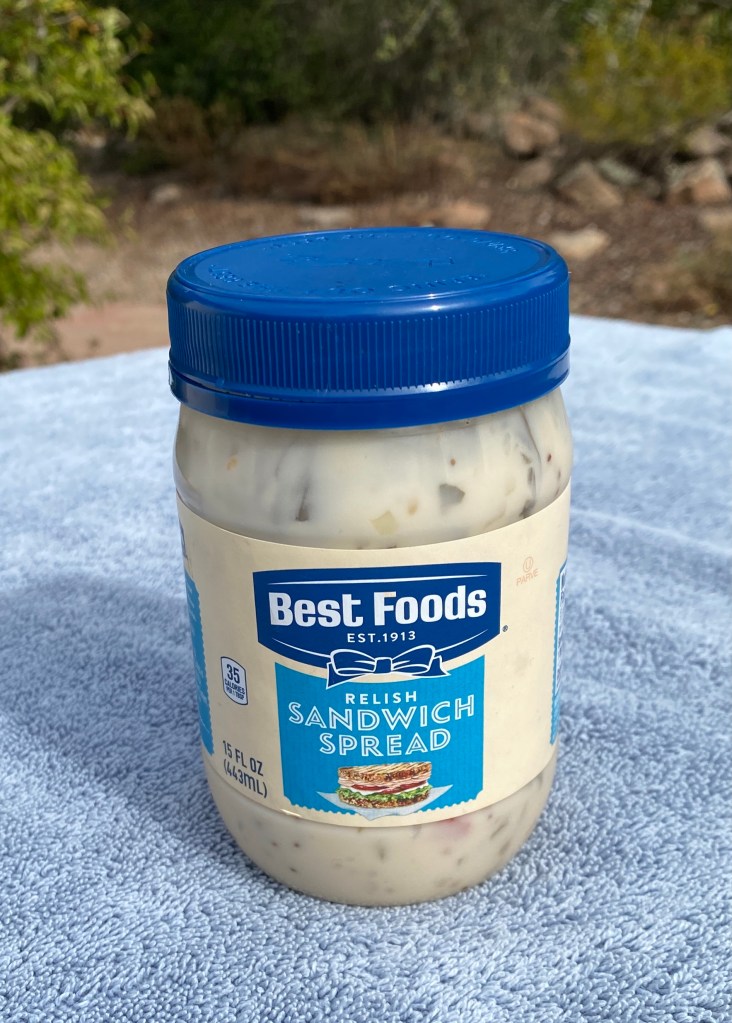
     Food seems to taste better to me when eaten outdoors, and I did my share of that the summer I worked for the Forest Service.  On that job, our crew of four typically spent a week at a time improving trails in the backcountry.  Our foreman, Clyde Smith, would start our work day at 6 am so as leave time for an hour of two of fishing before preparing our trailside dinner.  For me, an ideal job.  Clyde typically picked up our groceries in the nearest town every 10 days, but one day asked two of us do that shopping instead.  On our return, he was upset with us for not getting the specified Best Foods brand of sandwich spread.  In fact he complained about the brand we had bought at every lunch until able to resupply his brand during the next food run.  Having heard our fill of complaints, we were interested to see if he could really tell the difference.  So that night we opened the jar of Best Foods spread and scooped out the top few inches, setting it aside and refilling the jar with spread from the other brand.  The next morning we made sure Clyde was watching us make the lunches.  That morning seemed to drag on forever, but noontime finally arrived.  We let Clyde take a couple of bites of his sandwich before asking him how it was.  He was a little suspicious, but remembered seeing us make those sandwiches from the Best Foods jar, so answered, “This is more like it, really good!”  We had him, and it felt great.  After our laughter subsided, we told him what we had done.  All he could say was, “Well, I was really hungry today.”

I’ll admit that I still enjoy Best Foods Sandwich Spread

     Later that summer our crew was called away from work to help fight a fire that was out of control on a nearby mountainside.  At first there were a few hundred people fighting that fire, including lumberjacks and prisoners, but after gaining control over it, only a few of us remained to do the “mopping up” work.  Eventually I was the last person left on the fire.  Although I knew that revealed a trust in me, I felt bad that I was not back working with my own crew.  Instead, I was camping out on the flat ground that had recently served as the base camp for all the fire fighters.  Each day I would walk up through the entire burned out slope putting out the few smokes that had popped up overnight then check again as I walked back down to camp.   

     A nearby campground had been reopened so one afternoon I walked over to chat with the family camping there.  It was good to have someone to talk to.  They told me the yellow jackets were so bad it was difficult to get food to the mouth without one landing on it.  Remembering something I had read, I asked if they had a fish in camp.  When they gave me one, I skinned and hung it from a branch with a pan of water placed a few inches below.  Within the first minute a yellow jacket landed on the exposed flesh and ate until it dropped into the water.  It made its way to the side of the dish and flew right back to the fish to keep eating.  When it dropped the second time, it drowned.  I learned later that a little detergent in that water would have kept that bug from flying even once.  But even so, by the afternoon’s end three trout were eaten clear to the bone and over a hundred yellow jackets drowned.

     Happy to be rid of the yellow-jacket problem, those campers invited me to join them for dinner, far and away the best meal I had eaten all summer.  That night I didn’t mind being separated from my work crew.  Nothing like a good outdoor meal to brighten my perspective.


     As an undergraduate at the University of California I was invited along with several other athletes and student leaders to participate in a “Big Brother” project.  It was an innovative program developed by the juvenile division of the Berkeley Police Department.  The idea was for each of us to be a role model for one troubled, fatherless boy by spending at least 20 hours a month sharing various activities with him.  I was assigned an 8-year-old boy named Jimmy.  

     One day I took Jimmy fly fishing for bluegills, teaching him to cast and retrieve the fly just below the water’s surface so he could see the fish take it.  After fifteen minutes or so without catching a fish, however, Jimmy was getting frustrated.  It didn’t help that he could hear the shouts from another boy who had caught a fish or two.  So I decided to let my own fly sink from view and retrieved it until I felt a fish hit.  I set the hook on that fish and looked over at Jimmy.  He hadn’t noticed that movement so I gave enough slack to the line to keep the rod from bending.  Then I said, “Jimmy, would you hold my rod while I take our jackets back to the car?”  He held my rod for a few seconds without knowing he had a fish on.  As I was slowly walking away looking back over my shoulder, either the fish finally moved or Jimmy moved the rod because he suddenly yelled out that he had a fish on.  When he landed that first-ever fish a moment later, he looked up at me and said, “Al, you should have seen it hit!”  Interestingly he had no problem catching fish on his own after that.

     Jimmy had a twin brother, Johnny, who hadn’t been in trouble and felt it was unfair that Jimmy was having such good times with a “big brother” when he had to stay at home.  As a result I began taking both boys with me on our adventures, which worked out just fine.

     One day I took them to a public swimming pool, planning to teach them to dive head first just as I had recently learned to teach in an aquatics class.  I had the boys stand in shallow water as I walked down the side of the pool a ways to demonstrate the diving technique in somewhat deeper water.  But I underestimated just how deep that basic dive would take me.  I made my dive and emerged from the water with blood flowing from a dollar-sized abrasion on my forehead.  I had scraped my head along the bottom of the pool.  Looking at my face, Jimmy said, “I don’t think I want to try that.”  Not the best start to a teaching career.

     The most important lesson I was learning during that time was that a boy’s pain in not having a father in the home might best be eased somewhat by another man stepping in and spending regular, caring moments with him.  I continued on with Jimmy and Johnny for another year or so until I graduated and was called away to military service.  Meanwhile Jimmy had no further problems with the law, and I had my first glimpse of a calling on my life to mentor people in need.

For many years I associated the word savoring with foods I particularly enjoyed tasting. Yet savoring can be about delighting in other things as well, so a few years back I started thinking about savoring time. I had just realized that most of my fishing days were behind me. “That’s not good,” I said to myself. “I guess I’ll just have to have as many good fishing days as possible.” The best fishing days had mostly been those of catching big fish, many fish, or fish that were selective enough to test my skill. Yet as I’ve gotten older, those days don’t happen as often. It occurred to me that having more good fishing days might require opening up my perspective of what makes a good fishing day. There are many fishing days when I have delighted in something I haven’t seen before, such as a different butterfly, bird, wildflower, animal track or something like that goshawk chasing a kingfisher overhead. In fact, any day I have the opportunity to go fishing or even be out in nature, particularly with someone I care about, is a good day. So I began to savor all such days rather than just those in which the fishing was noteworthy.

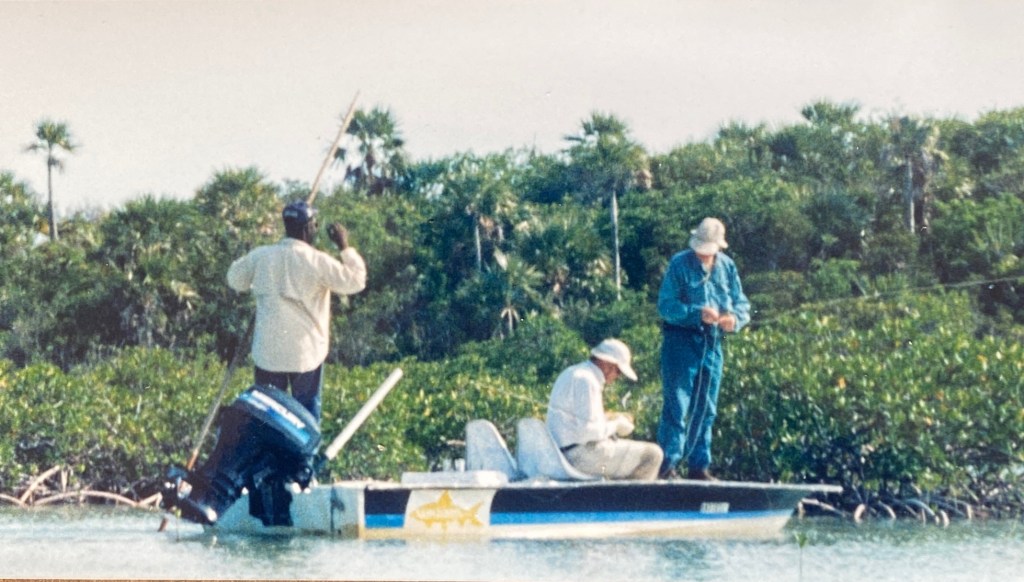
Taking groups of anglers fishing to other places, such as Alaska, the Caribbean, and Christmas Island gave me an additional slant on savoring time.  When fishing from a small, salt water boat, I typically alternated with another person while the guide poled us along through shallow water spotting fish.  When it was the other angler’s turn to fish, I had to put down my fly rod, but welcomed that opportunity to pick up my camera and binoculars to better scan the surroundings.  My preparation always included studying the plants, birds and animals I might see in that part of the world.  I realized I might have only one fleeting moment to glimpse and recognize something rare that I would probably never see again.  I needed to keep my senses on high alert.  It was like intently watching a “who done it” mystery where certain events provide important clues I don’t want to miss.   So savoring sometimes feels like I am living each second of time to its fullest.

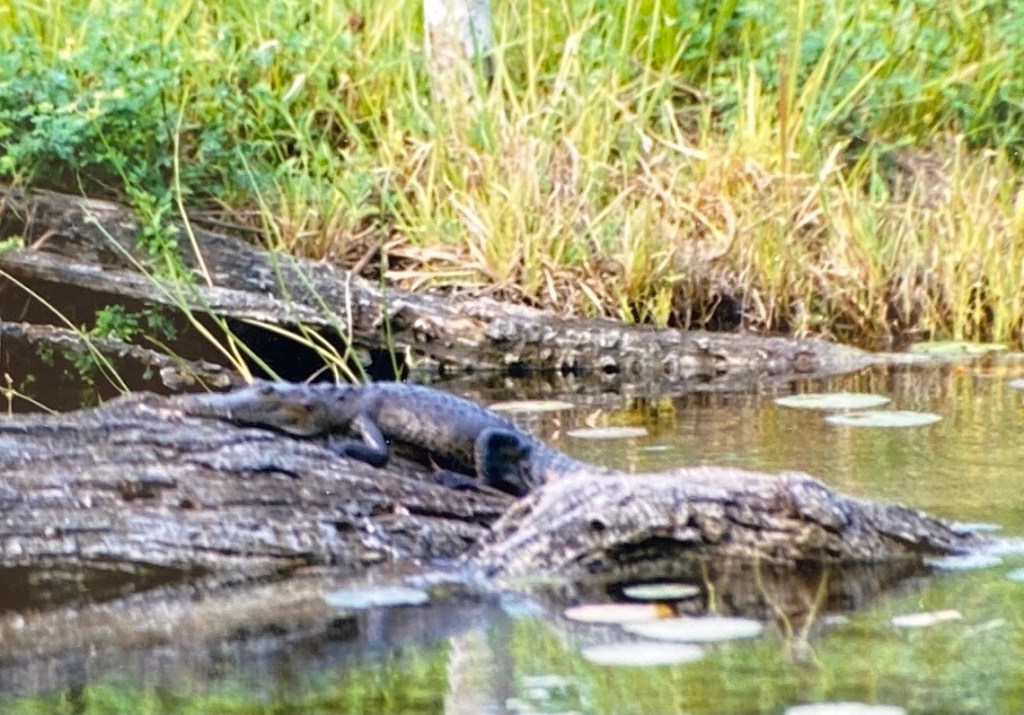
Seeing my first of only two wild crocodiles

But why limit my savoring to those special occasions when I’m enjoying favorite activities?  Why not start savoring moments of a more routine day?  This does happen mostly when I am able to turn from the tasks I am doing to look instead at people and what is going on around me.  When I can do this, I am more likely to catch those small occurrences that might make any moment special.  

The most challenging days to savor are those distressing ones that turn people’s outlook negative.  The closest I have come to savoring such days is to try to welcome the opportunity they offer to test and strengthen my character—just as the Bible teaches.  Jesus taught that in this world I should expect tribulation but that in Him I can have peace because He has overcome the world.  And praying over what is negative is far better than becoming negative.                                                          

So I try to open up additional times to savor, heighten my awareness to see the rare and beautiful as well as focus on what I am currently savoring, look for the positive in troubling times, and even reflect back on special savored moments of the past.  These approaches to savoring help me to get more out of life—in a variety of circumstances.  Time is precious and savoring it is a good thing.

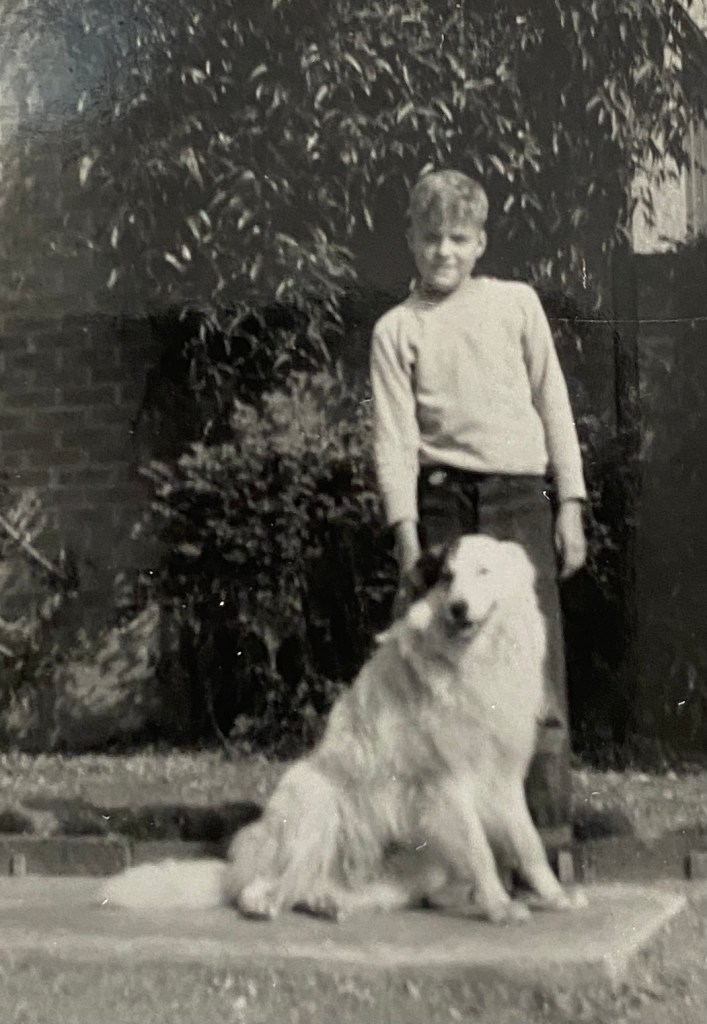
Al in early teens with fishing companion, Tuffy

 
The long call of a train whistle from the far hill carries to our cabin   welcoming the dawn, best alarm clock ever. The smell of bacon frying draws me out from under warm blankets                a young teen throwing on the clothing of a new day

By mid-morning I’m on the move                seventy degrees, slight breeze                   lunch packed, fly rod in hand                    striding forward into the mountain’s warm greeting

Now picking my way, scrambling ever downward into the canyon  listening as I move, faintly hearing, now louder            the alluring sound of running water                 trying to picture the stream soon to be seen

Parting the final branches, there a clear pool             every stream-bottom rock in perfect focus               and no footprints to be seen                      I delight in a feeling of discovery as I make ready to fish

Wading in icy, bone-chilling water                  line tangles and tree-caught flies                  alder branches blocking the way                 Such obstacles only feed my resolve

Under low limbs and leaves, walking on knees             my world grown small                       rod tip poked through grabby branches             searching out hidden trout

Saucy little ouzel rock-hopping and dipping           pretending not to notice my presence                 that bird leading me upstream                    or perhaps a double-agent warning the fish? 

Emerging from the cage of branches into an open sky          my rod’s willowy feel                                                          the line smoothly unrolling overhead                                                  I’m mesmerized by the fly’s fluttery, bouncy riffle-dance

A sudden, splashy, surface eruption—a silvery blur                                            a strong downward pull, then my fly air-mailed back to me                                       What trick of that old fish had dislodged my hook?                                          Some questions settle there beyond my answers

Soon climbing cascading falls                                                    rock over slippery rock                                                       spray drenching face and body but not touching my soul                                        my exertion an embrace of this vibrant place

A view through boulders and small pines to a distant peak, a place to linger                                  I grab my lunch and a stream-side seat                                               How did that scene come into being, those rocks find this place?                                 Speculation cut short, there’s still more water to see

In the stream, bent low                                                      hands cupped scooping up snow-melt nectar                                           savoring the taste of a free-flowing moment                                            youthful assurance that such moments will always be there

Now time to start back but much too soon                                             drawn by what lies around that next bend                                               the big-fish pool of my dreams?  Got to see for myself                                          I’ll be playing catch-up racing the clock home—again

Years later, by a fire no different than then                                             reflecting on train tracks now overgrown dirt roads                                           and creek water no longer to drink                                                                I warm myself in the memories, those wonderful, care-free days as a boy.


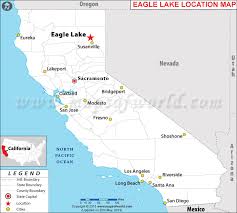
Some years ago, a friend prevailed on me to join him for a fishing trip to Eagle Lake, located in the remote northeastern corner of California and known for big rainbow trout best fished for in the coldest months of winter.   As we made plans for our trip there, we phoned ahead to book a motel room in a small lakeside community and jotted down the directions to the three eating spots located thereabouts.

On arriving, we had no problem checking in and immediately went out to get dinner.  At the first spot on our list, we were greeted with a sign on the door that informed us that they had closed for the season the month before.  It was now December.

Relieved to find the second spot on our list open, we found three people inside at the bar—a  bartender and two customers, a man and a woman.  The bartender told us that they did not serve food that late in the year either, but that we could get dinner at a spot in a small community 10 miles farther up the lake.  His directions coincided with those of the third and last place on our dinner list.  As we drove those 10 miles, snow started to fall.

We found the restaurant, but the note on the door let us know that they were open only from 9 am to 5 pm, and it was now after 6.  The lights were already out, the people gone.  As we returned those ten miles to the bar and the only people we had even seen, the snow was coming down steadily.  We rejoined those three and let them know our problem, that we were hungry and without food or any place to obtain it.  Initially they offered no ideas for us.  As we continued talking with them, we learned that the woman was a fishing guide, and the man with her was in that country to work on repairing a damaged wharf.

We knew that the only town of any size in that isolated part of the state was Susanville, over 30 miles away on a narrow, winding road that was becoming more difficult to drive every minute.  We spoke of driving there for dinner, but our three new acquaintances advised us not to attempt it under such dangerous conditions.  Yet my companion was the most skilled all-weather driver I had known, so we were leaning toward going anyway.  The woman then said something that startled us, “We’re not going to let you go!”  Then she added, “Wait here,” and helped her friend off his barstool and out the door.  The two returned a few minutes later carrying a frozen lasagna dinner they had found in his R.V.  The bartender then offered to heat it up for us in his microwave and we gratefully enjoyed a warm, tasty dinner without having to risk our lives.  Our benefactors would not hear of taking any payment for the dinner.

So that night we were reminded how to care for people in need.  I believe God’s love was coming through those three people, who much like the good Samaritan, backed up their compassion for strangers with helpful action.  Throughout my life, I have often marveled at the people placed in my path to learn from—and hopefully to touch somehow in return.