Al Kyte's Life Take-Aways

These "take aways" are drawn from various experiences in my life including those as athlete and coach, teacher, military officer, fishing guide and author, amateur naturalist and native-plant gardener, leader of homeless outreach and family member.


I played baseball at the University of California, a commitment that required playing year-around, including the summer when I would rather have been working in the mountains.  After my senior year, I finally had one summer free to take a job with the U.S. Forest service.

On that job I was assigned to a forest station high in the Sierra on a crew created to do special projects for the district ranger, such as building campgrounds and maintaining back-country trails.  It was great.  I particularly loved working in the back country several days at a time and fishing on my off hours.  Three of us college kids worked for a man named Clyde Smith, an “older guy” in his early forties.  (I now look back at that age as being pretty young).   

But Clyde was not alone.  He had with him a constant companion, a dog named Buster.  At first glance there was nothing remarkable about Buster—a medium-sized, black, sort of non-descript dog.  We soon found that he was completely devoted to Clyde.  He barely tolerated the rest of us, not even welcoming our attention.  Yet, the few times Clyde reprimanded him, Buster would lower his head and look embarrassed.  That black dog seemed to turn a couple of shades of red.  I had never seen such a one-man dog nor have I since.  

My most memorable time with Buster started at the forest station one evening after dinner.  A radio message came in, informing us that a fire had been sighted by two lookouts.  The third lookout had not been able to see it, so we had only a general idea of its location.  That smoke was coming from an area our crew had built a trail through a few weeks before and we knew there was a lot of fallen timber nearby.  Given that familiarity, our crew was asked to hike in and try to find that fire and stop it before it could spread.  

This was our chance for the kind of excitement usually reserved for our fire crew.  Clyde, myself, another college kid, and Buster of course, piled into a jeep armed with tools—shovels, Polaskis, McClouds, and a chain saw.  Clyde drove that jeep as far as possible, even fording one creek.  Then we unloaded the tools and started hiking up the trail.

Several hours later, well after dark, we started to smell the smoke.  But Buster picked that moment to leave the trail, run into the woods, and start barking.  Clyde called him back, but Buster wouldn’t come.  I had never known Buster to ignore Clyde’s call.  Clyde said, “I’ll bet that dog has treed an animal.”  We had no choice but to go in after him.  When we caught up with him, we saw why Buster had not come back.  He had found the fire he seemed to know we were looking for.  We were about to walk right past it.  We put a perimeter around the fire and worked our way inward to get it under control.  By morning, when the fire crew relieved us, all that was left for them was the less glorious “mopping up” work.  Thanks to Buster, we had a moment as the fire-station heroes.

But that wasn’t the last I heard of Buster.  Shortly after returning to school in September, I received a letter from Clyde.  He had apparently been hiking up a trail when a rattlesnake struck at him and hooked its fangs on the cuff of his jeans.  He said he was ‘doing a jig’ trying unsuccessfully to dislodge that snake, when Buster ran up, grabbed the snake in his mouth, and shook it from side to side until it flew from Clyde’s pants.  How can a dog come to have such character?
 

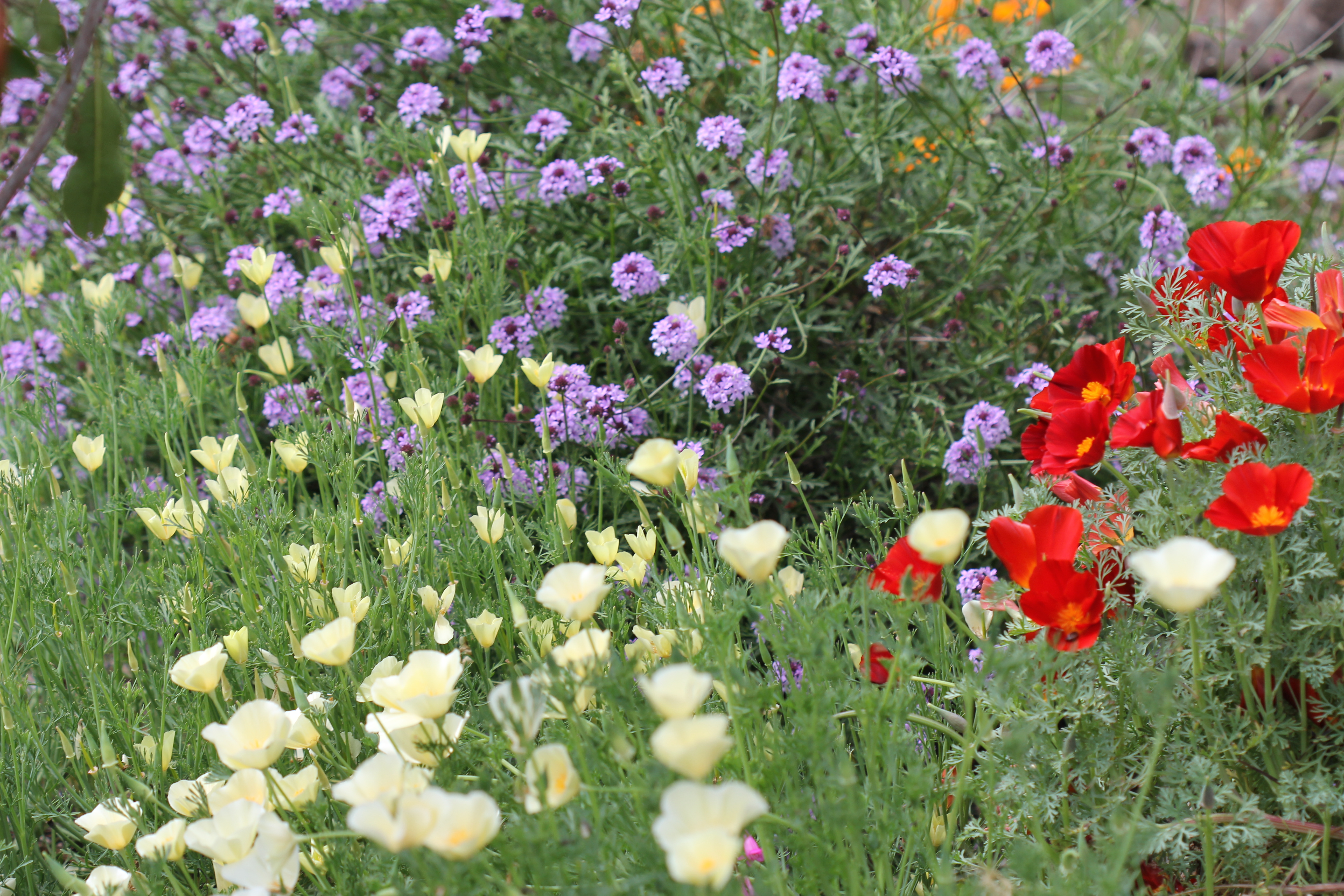
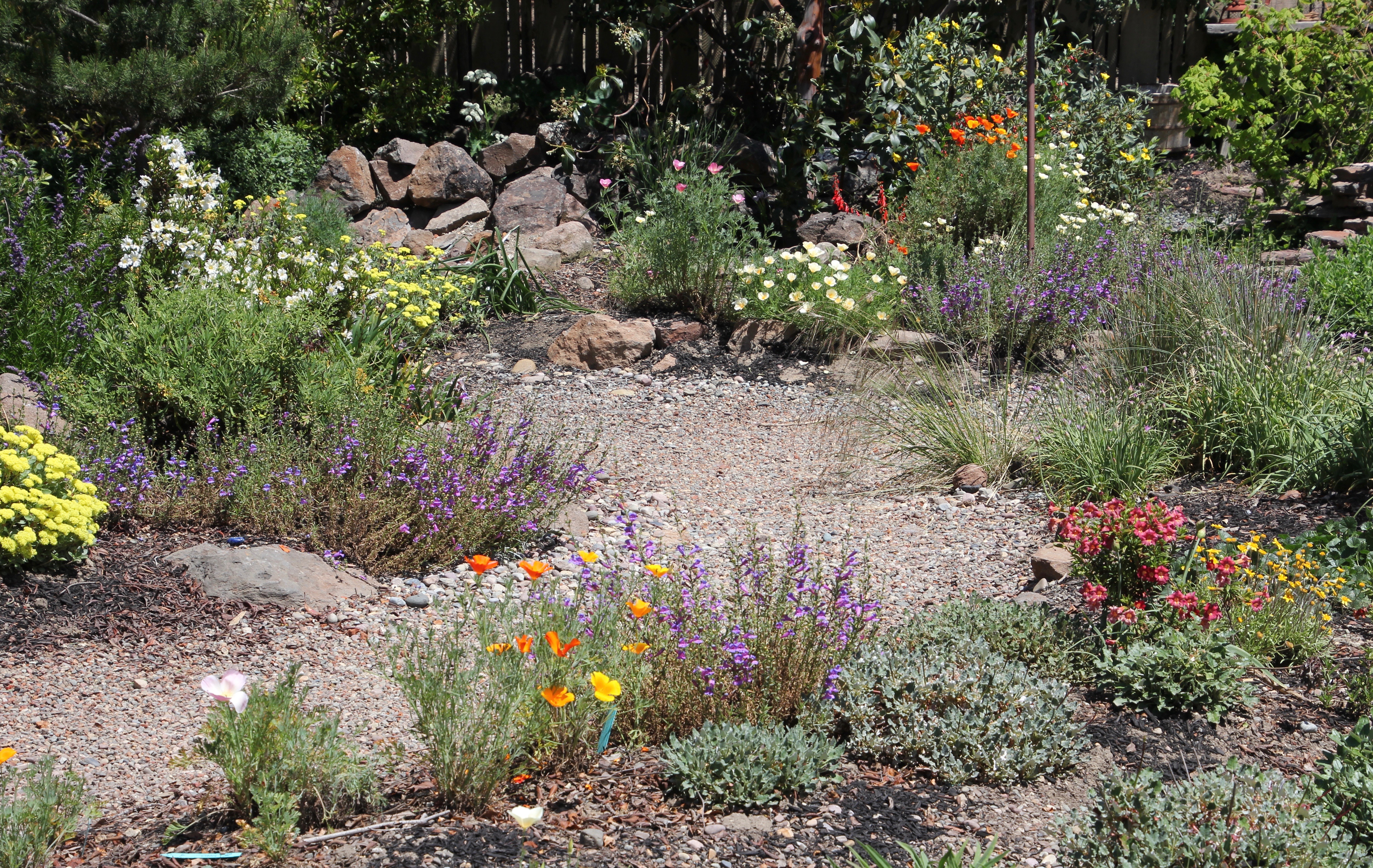
I have been known as an athlete, teacher/coach, and fly fisherman and, more recently, of all things, a gardener.  I remember not having the slightest interest in gardening when my wife, Barbara, and I moved into our home in the early 1970s.  Yet our garden has since been featured regularly on the Bay Area’s “Bringing Back the Natives” tour, as well as other tours for master gardeners, landscape designers, and garden clubs.  Articles have been written about our garden.  How has such a change come about?

Early in our married life, I realized I needed to do more to help out around the house.  But lacking in handyman skills, I saw our yard as having more appeal for me than the work bench in the garage.  A friend of mine, familiar with our community, boasted that he knew what our garden looked like without even seeing it.  “It is lawn, Algerian ivy, and juniper.”  It irritated me that he had it exactly right.  But was that the kind of garden I wanted?  That lawn drank a lot of water, the juniper was prickly, and the ivy, invasive.  Our home’s previous owner left his power mower for us and gave me instructions for its use.  “…and, you always start the mower in the backyard,” he concluded.  Adding that comment to my notes, I asked, “Why is that?”  He replied, “So you don’t look bad in front of your neighbors when it doesn’t start.”  And that man was an engineer, much handier than I.  Not a good sign.  I didn’t care much for those plants nor the equipment needed to maintain them.

My first thought about the garden was that I should do something to attract more birds than I was seeing.  I noticed a class being offered on that topic so signed up for it.  However, that class was not about birds.  It was about California native plants that would attract birds.  That was the defining moment.  It opened my eyes to a type of of garden I had never thought about—one with plants I loved being around in the wilds when fishing or backpacking.  Could I bring such plants to our yard?  From that moment, I had a vision.  I did not want to step outside into a typical garden, but into some sort of natural woodland.  

I started doing projects—at least one each year for many years—to help transform our yard into a more natural-looking space.  I liked that gardening allowed me to experiment and make mistakes, yet still learn.  I learned that modern gardening practices go beyond conserving water to restoring habitat being lost to development as well as eliminating pesticides that kill our butterflies and other pollinators.  I was also becoming familiar with and drawn to various artistic concepts such as creating a balance between the space used for rocks, plants and water.    

As my knowledge and perspective were changing, I began to see an underlying value that was not changing—creating a garden that is both natural and beautiful.  Increasingly, I viewed our garden as a canvas for artistic expression.  I also like that such a garden can offer refuge for animals, discovery for children, and peace for busy adults.  Looking back, I find it fascinating that something I have come to enjoy so much had its beginnings in attitudes of disinterest and obligation—a household chore.  Like life itself, gardening can apparently follow a path of unforeseen turns.


I remember a morning in the mountains years ago when I invited my mother to join me for a hike I knew she would enjoy.  She had first introduced me to her favorite wildflowers on hikes such as this.  When that morning’s hike was over, I found her sharing her excitement with other family members.  “This morning Al taught me to look up.  I have been missing too much by not looking up.”  I hadn’t been trying to teach her anything, just sharing something we both loved as she had often done with me.  Yet hearing her comment, I realized I had been pointing out a number of birds up in the trees.

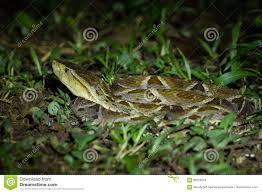
Years later in Belize a friend and I had interrupted our fishing to enjoy a day of birding.  We were excited to see so many brightly-colored species that were new to us.   As we made our way along that jungle path, I noticed that our guide kept looking down, yet finding birds for us up in the trees.  At one point I just had to ask, “Wouldn’t you see more birds by looking up?”  He nodded, “I’m sure I would.  I’m looking down, but listening up.  I know the birds are up, but the snakes are down.  And we have a snake here we call ‘tres minutos’ because that is as long as you can expect to live if bitten by one.”  He was referring to the Fer-de-lance.  For the rest of that day we were all looking down and listening up.

Looking up is sometimes challenging.  Certain species of birds seem to prefer moving about high in the tallest trees, forcing us to look almost straight up to see them.  This can lead to a stiff neck— “warbler’s neck” I’ve heard it called.   

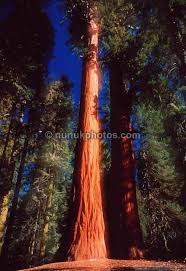
My uncle once relayed a story of the time his father came to California and saw his first giant Sequoia tree.  Apparently he looked up to see the top of that tree as he had done back on the east coast.  But the top of that sequoia was not yet in view, so he took a second, higher look to where he thought the top must surely be.  When the top of the tree was still not visible, he said he had to take a third, even higher look to finally see it.  Such a tall tree forced him to adjust what it meant to look up.  

When our own circumstances are difficult or someone lets us down that is what we can do as well—look higher to get a better perspective.  We use the term “looking up” when life is getting better, and being “downcast” when feeling discouraged.  Most often I have seen the shift from being downcast to looking up in men I have mentored during their struggles with addiction.  Those who achieve long-term recovery are typically downcast at first from consequences of the choices they have made on their own.  Their outlook changes for the better when they allow God’s love to guide those choices.   We read that God is the “lifter of our head” and essentially that is who He is to these men—and to us.  Restoration is a beautiful thing.


The man showed up at the renowned kennel hoping to reserve one of their trained dogs for the following day’s hunt.  The kennel owner said he was sorry but all his dogs were out with other clients.  The man asked about the half-grown dog that happened to be there in the office with them.  The kennel owner replied that that dog was only about half trained, but for half the usual fee he supposed he could be booked for the day.  The man enjoyed hunting with a dog and was drawn to that young dog’s eagerness, so agreed to it.  The kennel owner said the dog’s name was “JV”.

Although that next day’s hunt was not very successful, the man saw in that dog a lot of potential and realized that all he needed was a little more training.  So, at the day’s end, he booked “JV” for the following year’s hunt.

When that man arrived at the kennel a year later, the owner said, “You were sureiy right about that dog’s potential.  He is already so skilled we have changed his name to “Varsity”.  That day’s hunt was among the best the man had experienced.  So he made sure to reserve that dog again for the next year.

A few weeks before that hunt, the kennel owner contacted the man to advise him that the fee for that dog had doubled because he was now in such high demand.  “He has become the best hunting dog we have ever trained, so we have changed his name to “All American”.  The man said he was willing to pay the higher fee to hold his reservation to hunt with that dog.

That year’s hunt turned out to be far and away the best and most enjoyable of that man’s life due mostly to the dog with him.  On returning to the kennel, he was quick to reserve “All American” for their fourth year together.  

All throughout that year the man looked forward to another hunt as memorable as the previous one.  But a month beforehand, the kennel owner called him again.  “I’m afraid I have bad news for you.  That dog you have so enjoyed being with these last few years has lost his keen senses and ability to hunt.  In fact all he does throughout the day is stand around and bark at everyone.”  We’ve renamed him “Coach”.


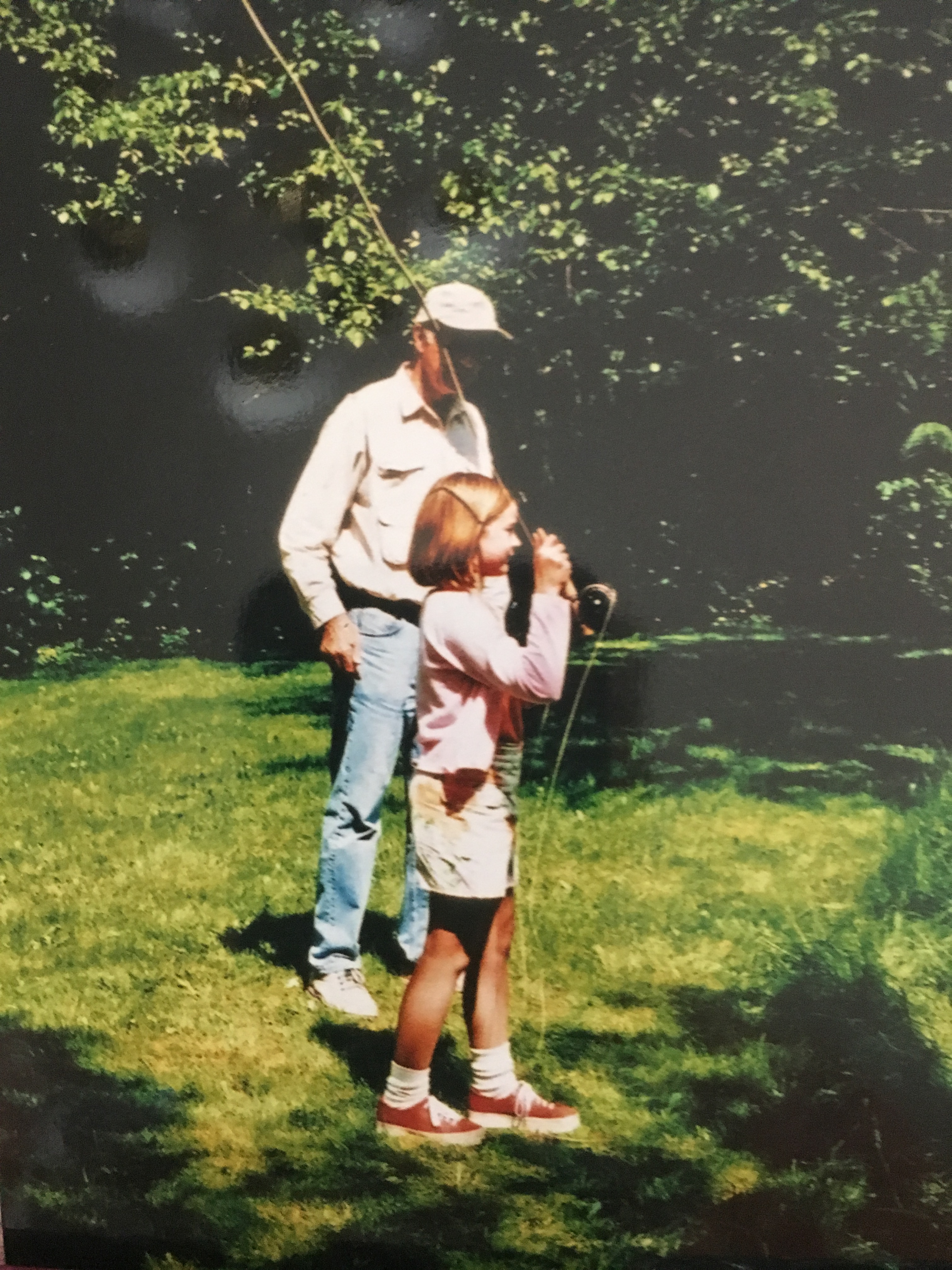
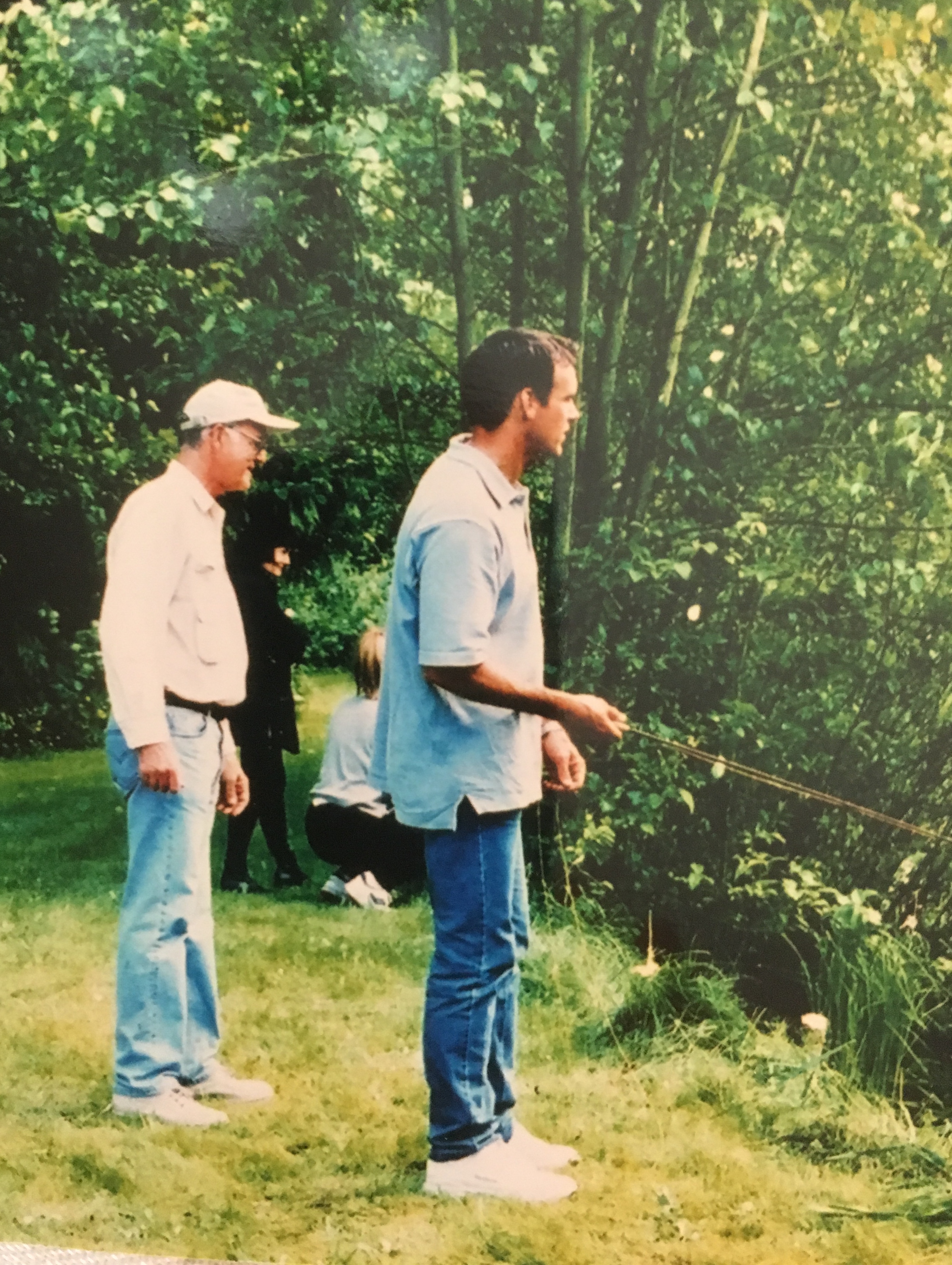
I spent a few years in the military, a few years teaching high school, and 37 years on the University of California faculty.  Then my work culminated in a one-week “movie career”.  I was hired and flown to Canada to teach fly casting to two actors for the movie, Dotson’s Journey.  One was David James Elliott, best known as Commander Harmon Rabb in the TV series, J.A.G.. The other was Alicia Morton, star of Disney’s Annie.  In this film, Alicia was cast as David’s daughter, bonding over a love of fly fishing during her parents’ difficult divorce.

Alicia
David

Meeting David felt a little strange as his speech and mannerisms were the same as his TV character.  It felt as if we were somehow talking in one of his TV shows.  At first he looked at me intently, perhaps trying to envision how it would be having to learn a key element of his role from me.  Thankfully, both actors were enjoyable to work with and comfortable in what they learned.  

We spent the first three days in a movie studio in Vancouver.  The actors had a variety of commitments, so I was limited to an hour a day to teach them.  I also had meetings with prop and wardrobe people who wanted input as to what fishing equipment and apparel to obtain for the actors.  I was put up at a Hotel there, where an updated script was delivered to my room each night.  The flowers and fruit basket there indicated they thought I must be someone important.

The movie’s filming started on the fourth day at a country estate about an hour away.  Much of the studio, including the actors’ wardrobe and rooms, were now on site housed in huge trucks.  The estate had a pond where I continued my instruction.  During my down time, I had the opportunity to watch the filming process.  Fascinating!  Even the movie’s dog had a double.

At one point the director called me over, “Al, we need to know how to hold this fish.  We want Alicia to catch a big fish, and do the Hemmingway thing—kiss and release it.”  The fish was a three-pound trout in a water-filled ice chest.  As I reached in and touched it, that fish bolted upward, almost leaving the ice chest.  I realized I was accustomed to holding fish that had been exhausted from being caught.  This fish had all its energy.  I said, “Let me try something different”, which was simply to hold and move that fish ever so gently back and forth, slowly lifting it out of the water.  Although now forced to breathe without water and surely uncomfortable, that fish remained calm as Alicia reached over to touch it.  Lowering it to the water again I thought to myself, “I was fortunate.  When the time comes, they won’t be able to do that.  There won’t be a scene like that in the movie.”  I was right.  The movie had no such scene.  I’ve wondered if, after some failed attempts, they had come to regard me as some sort of “fish whisperer”.

The next day, noticing that the filming was aimed away from the pond, I went there to set up for my instruction.  Soon I heard the director calling out and waving to me.  I heard him say, “Al, you’re in the scene.”  Had they decided to include a scene with me, an experienced fly fisherman, doing some fishing in the background?  When I ran over to him, the director said, “We turned the camera around to film in the opposite direction and you were in the scene.  We needed you out of the scene.”  I was in the background all right, but not in the movie, just in the way.  Embarrassing.  My glimpse of stardom came crashing back down to reality.  My name did appear in the credits, however—just not as an actor.  Oh well, ‘That’s show biz,’ I guess.


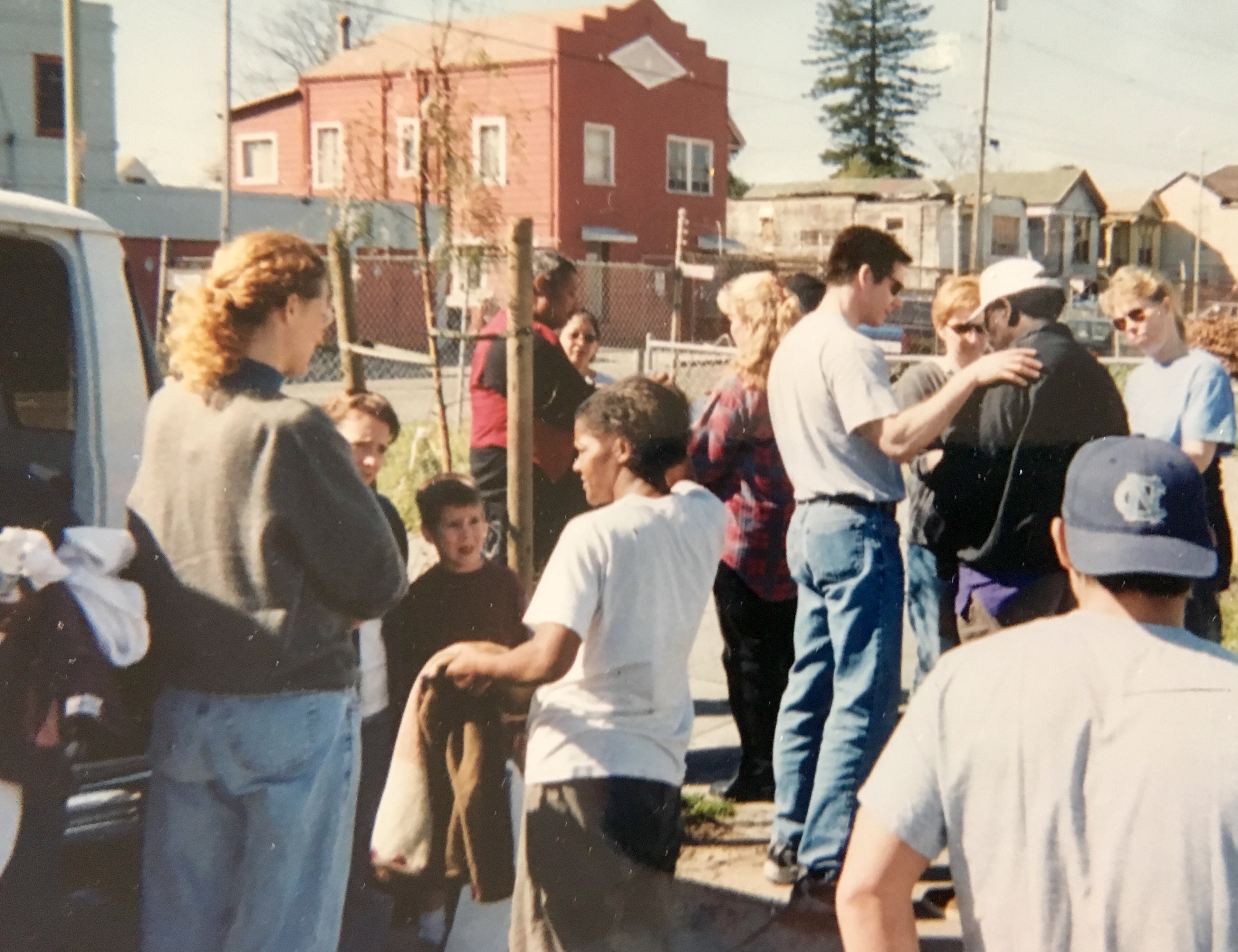
“Can I give you a bag lunch?”  The man smiled and replied to my question, “Yes, that will give me something to eat tonight.  Thank you.”  He was an older man, black, apparently homeless, yet exuding a certain dignity and spirit of joy.  A few of us were giving out provisions—food, water, socks, and hygiene kits—as we frequently did on the streets of west Oakland.

I continued, “Do you know Jesus?”  He laughed heartily and said, “Oh yes.  I will always exalt my Lord and Savior.”  A little startled, I asked again,  “How did you come to have such a strong belief?”  So he told me his story:

He told me he had hung out with the Black Panthers as a young man, and one day during a riot someone got killed.  He said, “ I was accused of it, arrested, convicted, and soon found myself on death row awaiting a date of execution.  My mother was allowed to visit me for half an hour each week.  Whatever else we talked about, she would pray two prayers.  She prayed that I would find the Lord, and that she would live long enough to see me free on the streets again.  After a few more weeks, I tried praying for the first time.  ‘Lord, if you’re real, get me off of death row, and I promise to follow you all the days of my life, even if spent in prison.’

Soon thereafter, I was told that my case had been reviewed and my sentence, reduced to life imprisonment.  My prayer had been answered, and I began to hold up my end of our bargain—by attending prison Bible studies, asking my mother questions, and trying to change my way of living according to what I was learning.  My mother’s first prayer had been answered, so she could now concentrate on her other prayer—seeing me free on the streets.  Yet that wasn’t likely to happen.  I still had a life sentence.  But my mother would not be discouraged.”  

As I listened, it struck me that this man’s mother was living 2 Corinthians 4:18, which directs our focus to what we cannot see.  “For the things which are seen are temporary, but the things which are not seen are eternal.”  Both her mind and senses must have been telling her there was little hope, but, in her faith, she was somehow able to block that out and keep her vision on her God—who she could not see. 

He continued, “Weeks became months and months became years, yet my mother was always there with her prayer of faith.  I tried to be a model prisoner, and after awhile my sentence started being reduced one step at a time.  Much later, the day finally came when I was released.  Looking back, I realized that when my mother first spoke that prayer, her hair had been brown.  As she continued praying, it had turned gray.  And the final time she prayed it before seeing me free, her hair was white.  Yet she had never let up on that prayer nor stopped believing.” 

In Hebrews 11:1, we read, “faith is the substance of things hoped for”—that woman seeing her son free again.  That substance, once so unlikely and far in the future, had now come to pass.  

Finally, that man told me that his mother had since passed away, and that he had picked up her mantle of faith.  “Yes,” he repeated as he turned to go, “I will always exalt my Lord and Savior.”  


One day the animals decided to play a game of football.  After choosing sides, they realized that all the big animals were on one team and all the little animals, on the other.  Several of the animals commented that they thought those sides were not fair.  But the little animals were proud.  “We selected these teams, and we will play with them.” 

The kangaroo kicked off for the big animals to start the game.  The ball went out of the end zone.  On first down the hippo stopped a run at the line of scrimmage.  On second down, the weasel slithered forward for a couple of yards but was stopped quickly by the gorilla playing middle linebacker.  On third down the little animals had a great pass play designed, but at the last second the cheetah raced back to break up the pass.  After the grasshopper punted, the big animals took over at their own 40-yard line.

On first down the rhino rumbled up the middle for 20 yards.  On the next play, the elephant dropped back and threw with his trunk to the giraffe who caught the ball in his mouth before stepping out of bounds at the 15 yard line.  On the final play of the drive the gazelle ran the ball around the end for a touchdown.  The game went pretty much that way until half time with the big animals ahead 42 to 0.

The big animals received the kickoff to start the second half.  On first down the rhino was stopped cold for no gain.  On second down the gazelle was thrown for a three-yard loss trying to run around the end.  On third down, the elephant was thrown for a ten-yard loss as he dropped back to pass.  Several of the animals stopped to remark, “What’s happening here?  Who’s making those tackles?”  Out from the bottom of the pile, adjusting his helmet, climbed a tough little centipede.  When asked if he made those tackles, he shot back, “Yeah! So what?”  Several animals said , “Wow! You’re great, but where were you during the whole first half?”

“I was having my ankles taped.”

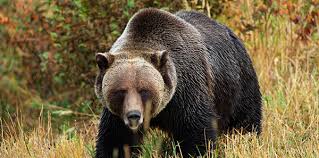
“Before this day is over, you will see moose, dall sheep, caribou, and grizzlies.” That was our bus driver’s promise before driving us through Alaska’s Denali Park. We did see those animals and almost saw a wolverine as well. My first grizzly sighting that day, a mother and two cubs loping across an open hillside, was the first of many thrilling moments in my 25 years of taking groups of anglers to Alaska

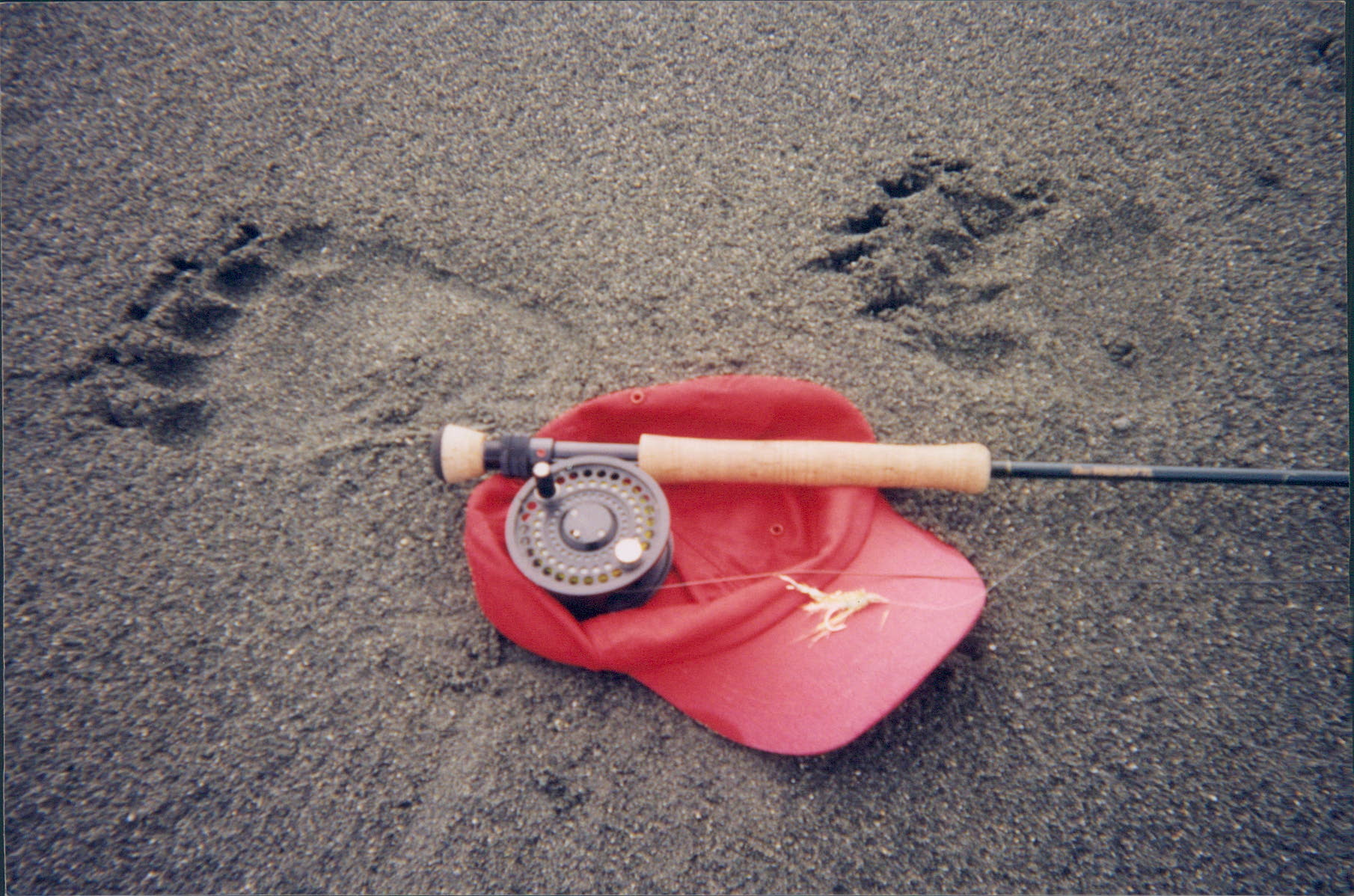
Eventually I encountered many grizzlies there, both on the coast and in the mountains. The biggest ranged from 600 to 800 pounds, although we did see tracks of one estimated to be over 1200 pounds with front claws easily longer than my fingers. One day a large bear passed within a hundred feet of us on a sandy beach. Although in an ATV with the motor running, I thought that a little close. Yet later, I was standing inside a modern cabin about 15 feet from its glass door and found myself looking out at a large bear standing about that distance beyond the door. I’m thankful he did not climb up onto the porch. Why was that door made of glass?

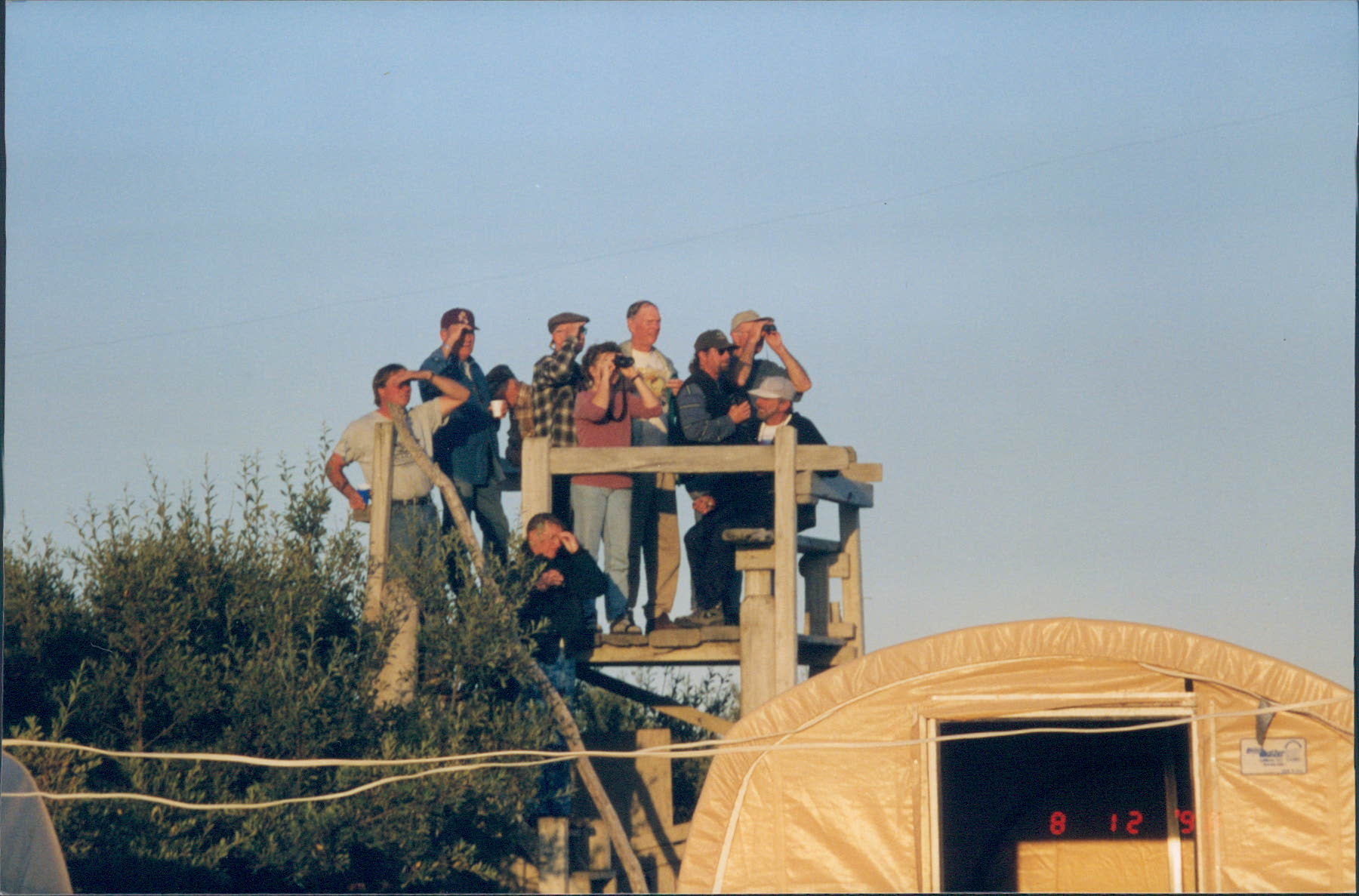
We were told not to look into the eyes of a grizzly as it would be taken as a challenge.  Yet I soon found that when you see a bear unexpectedly the first thing you do is look into its eyes.  When I did so, the bear gave me a disinterested look and kept walking past.  Even if I had seen emotion in those eyes, I wasn’t in much danger that time.  Our bear tower was nearby.

However, I did see myself in harm’s way one day while fishing for salmon.  I had made a cast to the far side of the river and was watching my fly line drift down through a deep riffle, when a movement caught my eye.  I looked up to see an adult grizzly standing on that far bank watching me.  I knew I was in trouble.  I had no weapon nor bear spray, no nearby tree to climb, and no people near enough to reach before that bear could reach me.  I was more than a little relieved when he decided to continue his salmon-search on his side of the river.

Bears are said to have a strong sense of smell, and one evening we had a chance to see how true that is. Our guides submerged some salmon guts under three feet of water, and we climbed our bear tower to watch what would happen. Within two hours six different bears came by and each went directly to where the guts had been submerged. No problem for their noses.

Their hearing isn’t bad either.  One day we were fishing in a mountain lake keeping a watchful  eye on a mama griz and her two nearly-grown cubs foraging on the far side of the lake.  Hearing an airplane motor, I immediately looked at those bears, but they had already disappeared where there had seemed to be no place to hide.  With that plane not yet in view, I realized why we didn’t see more animals when flying to and from our camps.      

It was a special thing to watch various natural behaviors, some quite gentle, of such potentially dangerous animals.  I loved it when a mother bear walked to a stump, sat down with her back against it, and invited her two cubs to climb up for their morning nourishment.  Truly beautiful!


I wasn’t enjoying the party.  There was nothing interesting there to capture my attention. Then a young man arrived and all that changed.  He had just returned from the Calavaras frog jump where his frog had won for the second year in a row.

I was instantly curious.  What process or preparations did it take to win such a prestigious event?  We talked and he told me he had first entered a frog three years before.  That frog had failed to even jump when the competition started.  He had noticed that some of the people who entered frogs had a “stable” of frogs, not just one.  He thought about that.

A month before the next year’s jump, this young man went to a slough in the nearby San Joaquin valley and captured as many frogs as he could.  Then he systematically began to hold his own competitions between his frogs.  Soon he began to identify those with the most impressive jumping tendencies, and gradually narrowed the field to his “final four”.

In the week before the celebrated contest, he held his final trials and drove to the site of the jump.  He was successful.  His best frog won the event and was crowned the champion.  When no-one was looking, my new friend returned his winning frog to a well-marked spot in his home slough and kept a “look-alike” frog for the photo ops.

Now, a year later, he had repeated that process and won for a second year in a row.  As he excitedly finished his account of these events, one of the party-goers near me asked him,  “Do you like to eat frog’s legs?”  The young man blanched, seeming to turn three shades whiter and replied,  “What?  Eat your athletes?”

That turned out to be a pretty good party after all.


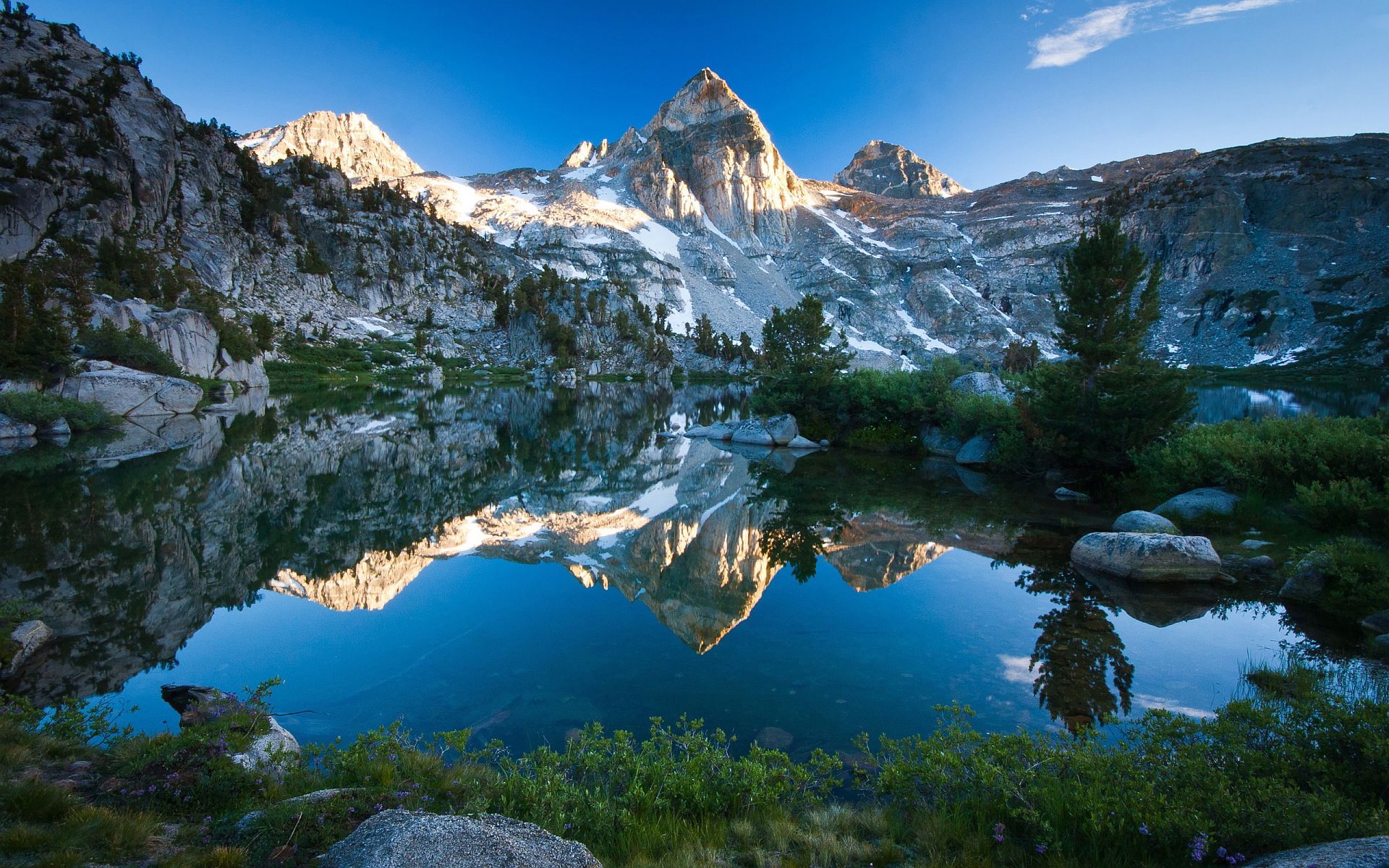
As far back as I can remember, I have loved what I have seen and found in nature.  It has formed the backdrop for so many of the activities I have been drawn to—fishing, birding, backpacking, native plant gardening, and the study of animals, even native bees and butterflies.  Somewhere along the way I became aware that the beauty of nature brought out the spiritual side of whoever I was becoming.  I believe that many people feel this relationship between nature and their spirit.  This came into sharp focus for me during my 20s when I began to follow worldly concerns rather than my spiritual beliefs.    

It was then that I was backpacking through the high Sierra with a couple of friends and found myself being treated to one breath-taking mountain scene after another.  I began to get the sense that the landscape before me had been set in place by a great designer.  This response was like that of the astronomers who have marveled at the apparent intricate design of the celestial bodies in space.  For me it was as if a master artist had lovingly created that beauty to touch me in my deepest place.  On that trip I sensed that God was reminding me He was still there and nudging me to turn back to Him.  I did so—this time to stay. 

That mountain experience reminded me of a scripture I had read.  I found it again in Romans 1:20.  Essentially it says to me, ‘Our invisible God is clearly seen in his creations’.  How can He be invisible, yet clearly seen?  We don’t see His face, but we do see one of His great attributes—His beauty laid out before for us in unending variety.

For me, experiencing the beauty in nature is like going to a gallery and being overwhelmed by a masterpiece that seems to communicate something of who I am back to me.  I sense that oneness with the artist.  It is apparently enough for some people to appreciate the beauty of the creation.  I have wanted more than that.  I long to get to know the creator of that beauty and try to better understand the oneness we share.  That is true of me whether in a gallery or enjoying the majestic “paintings” I see out in nature.       

This beauty in nature and the oneness I feel there is particularly important to me when facing life’s most difficult moments.  During such times it helps to remove myself from man-made things for awhile and find a beautiful natural setting.  I find it easier to feel God’s presence there and begin to see my circumstance from His perspective.  At such times I am thankful that Jesus brings a personal dimension to our relationship and has promised to be with us whatever we’re going through.                                          .