
As children we learned early that our dad meant what he said. We knew he loved us, but when his voice took on a certain tone and his eyes, a certain expression, we had a clear signal to stop what we were doing and listen. Whenever my sister or I stepped across some behavioral boundary, dad would get our attention in that way, then let us know what punishment to expect if we did not stop. And that was exactly what would occur if we failed to heed his warning. He would not yell or scream at us, and there was never an idle threat. What was most impressive was that our dad had already thought about what that punishment would be. Eventually I called this technique his “two strike” policy. We were warned (strike 1) and, if necessary, punished (strike 2). This discipline was consistent and fair.
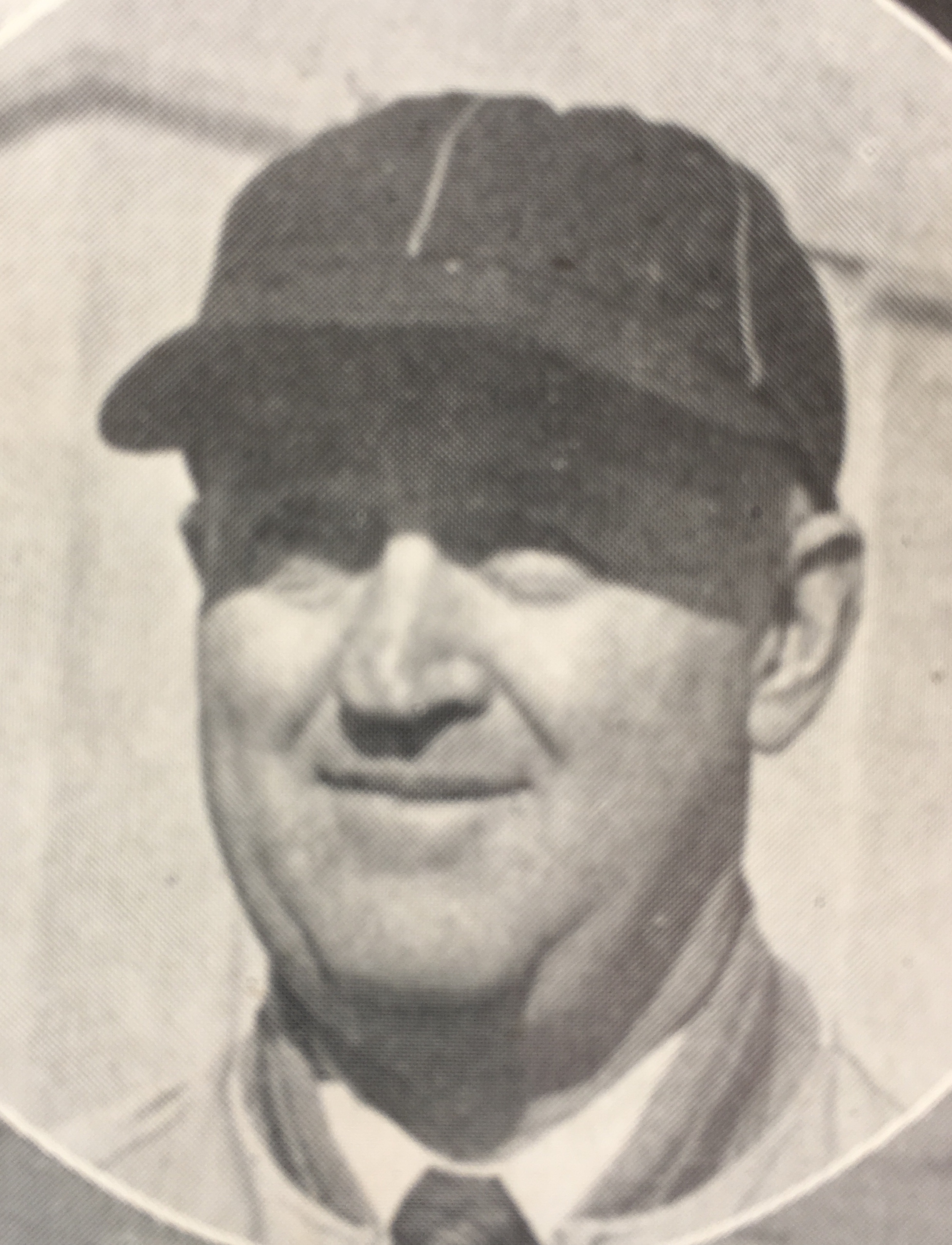
My dad used that same technique in his coaching. With money tight, he supplemented his teaching income by working nights and summers for the Oakland Recreation Department. One summer in this capacity he was assigned to coach a team of 11 and 12-year-old boys in a poor area of the city. Among those boys was a highly-gifted athlete named Vada Pinson. One day Vada was pitching batting practice and threw a pitch close to the head of the boy at bat. That boy fell to avoid being hit by the pitch, and Vada laughed. My dad interjected. “Vada, we don’t throw at another player’s head, even if that player were on an opposing team. You do that again and you will be removed from the team.” There it was—the “two strike” policy. Vada didn’t believe a coach would kick the star player off the team, so decided to test his coach. He threw close to the boy’s head again. When my dad took his uniform, Vada said, “Mr. Kyte, I was going to come to Oakland Tech to play for you. But now I’m not. I will go to McClymonds High and get game-winning hits against you.”
A few years later, Vada proved to be as good as his word. He was playing on the McClymond’s team and did get a game-winning hit against my dad’s team. Later he went on to professional baseball and had a highly-successful career as an all-star outfielder with the Cincinnati Reds.
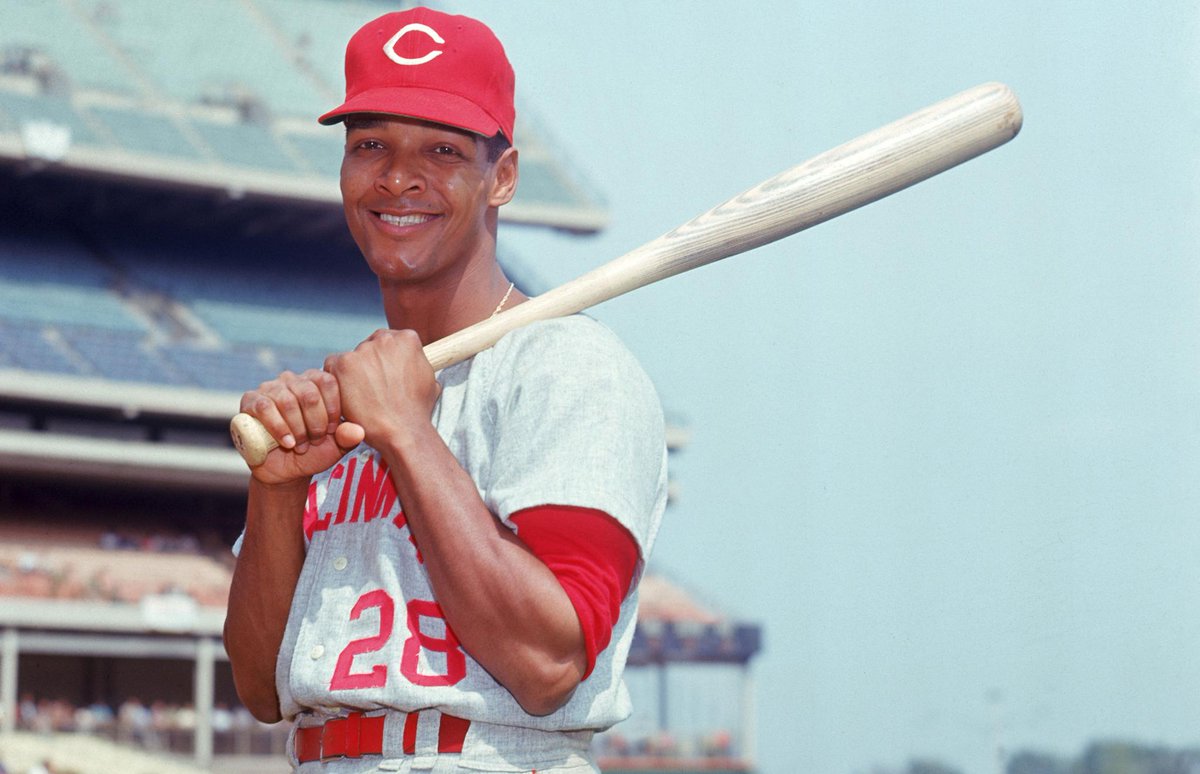
I remember the night Vada phoned my father. Cincinnati had come west to play the Giants in San Francisco. In their conversation, Vada said, “Mr. Kyte, I have thought for some years about how you kicked me off that team when I was 12 years old. I realized you didn’t gain anything by doing that. Eventually it occurred to me that you had done that for me—for my character. You may have prevented me from making a similar mistake later on when it would have hurt my career. I just wanted to take this opportunity to thank you for caring enough about me to kick me off a team.” I remember how proud my dad was of the man Vada had become.
My dad’s high school baseball and basketball teams won 22 championships, and lost others because he benched star players who held themselves above the team and its rules. Oakland Tech’s athletic field is named Al Kyte field and at least three of his players named their sons after him. There is no question that my dad played to win, but the character development of his players was more important to him than winning. He believed that a school coach’s job was more about developing better people than developing better athletes. I wonder how many of today’s performance-driven, walk-on coaches that would occur to? Hopefully more than a few. This world needs men and women of character more than it needs super athletes.

 Al Kyte's Life Take-Aways